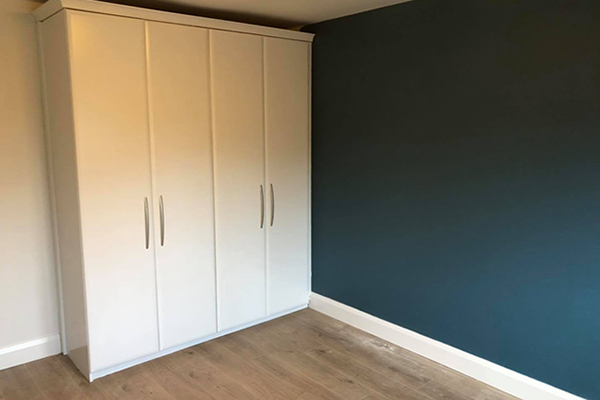
Room order and essential access
Start with the rooms and routes that make the sequence workable. Keep essential facilities and an exit route available unless a specific closure window is agreed in advance.
A practical room-by-room plan for painting a Dublin home while it remains occupied, covering room order, furniture, protection, dust, odour, daily access and handover.
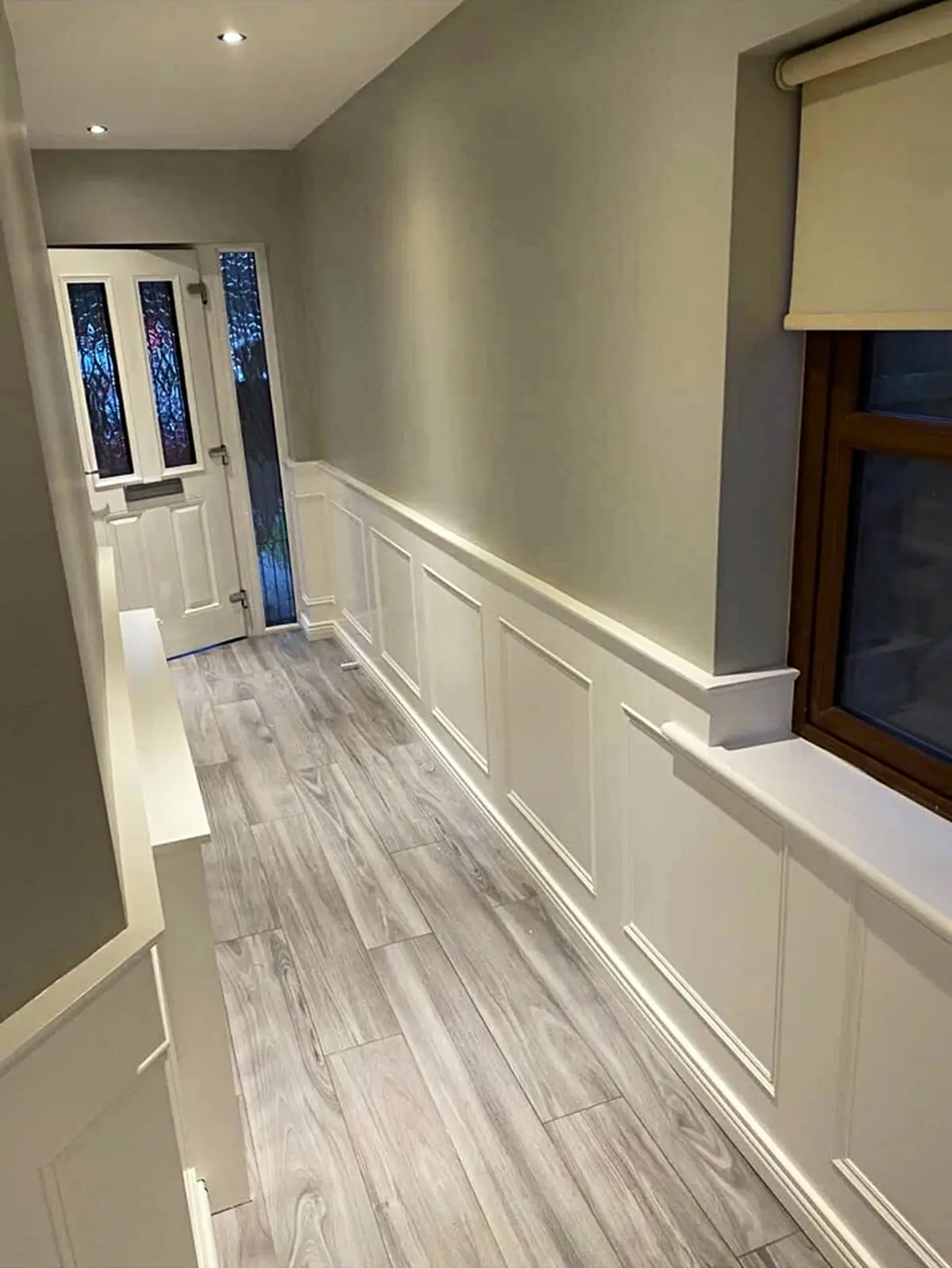
Painting an occupied home is mainly a sequencing problem. The household still needs safe access to bedrooms, bathrooms, the kitchen and an exit route while one area is unavailable for preparation, coating and drying.
At survey, agree the room order, who moves furniture and personal items, where belongings will be stored, working hours, pets or children, ventilation, colours, drying time, daily cleaning and the point when each room returns to use.
Use the residential painting and decorating in Dublin checklist to assign furniture, access, protection and the first room before the pre-start visit.
Start with the rooms and routes that make the sequence workable. Keep essential facilities and an exit route available unless a specific closure window is agreed in advance.
Record who removes valuables, breakables, curtains and smaller items, who moves larger furniture, where belongings will be stored and what must remain accessible each evening.
Define floor and furniture coverings, working-room boundaries, access routes and the preparation method. Any dust-control claim should match the equipment and process actually included.
Confirm the proposed products, ventilation plan, drying requirements and when painted surfaces can return to normal use. Do not assume that every coating or room can remain odour-free or continuously accessible.
For the wider residential service and survey process, see our residential painters and decorators in Dublin page.
ART BOYS • PROTECTION AND FINISH DETAIL
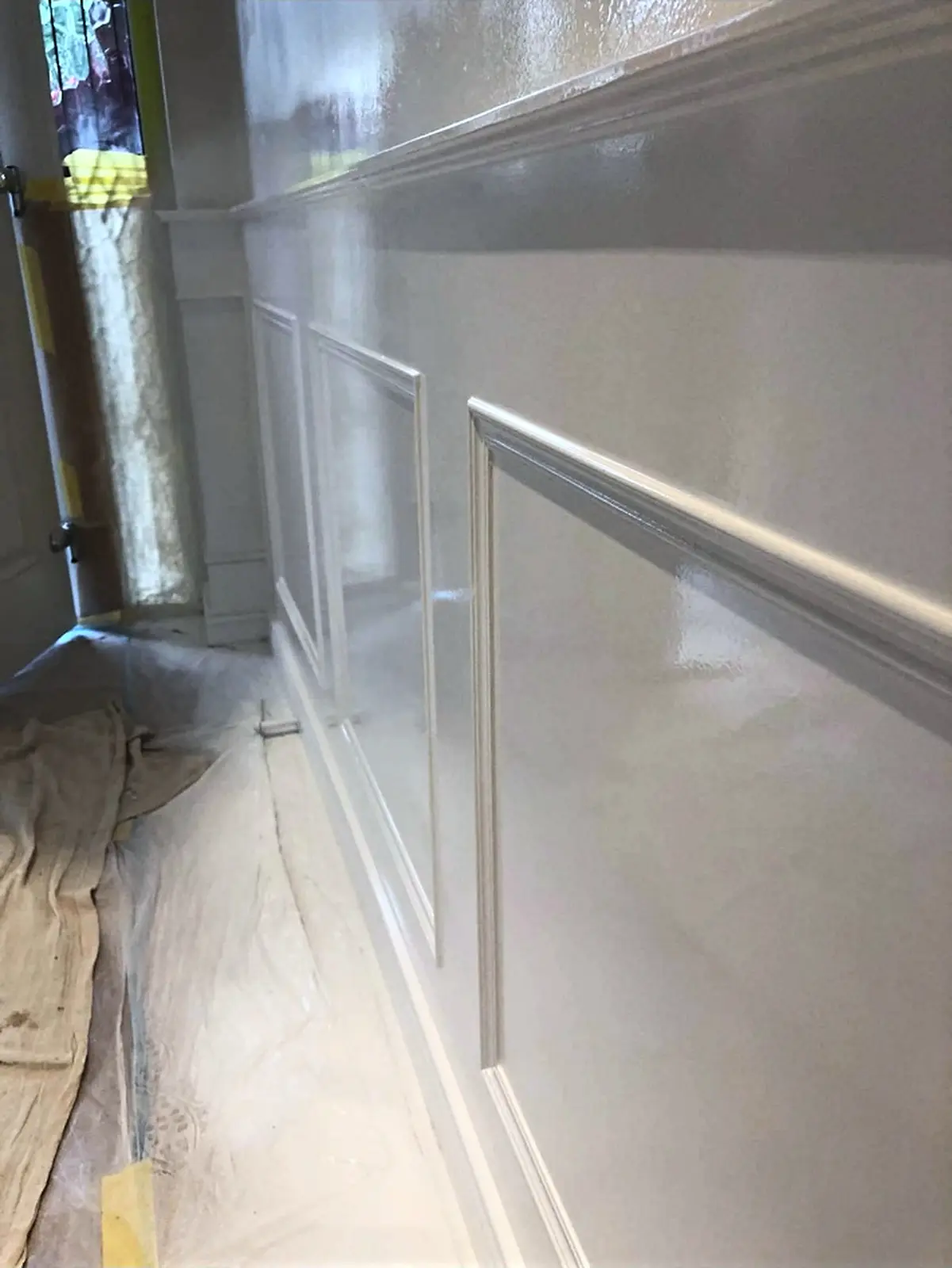
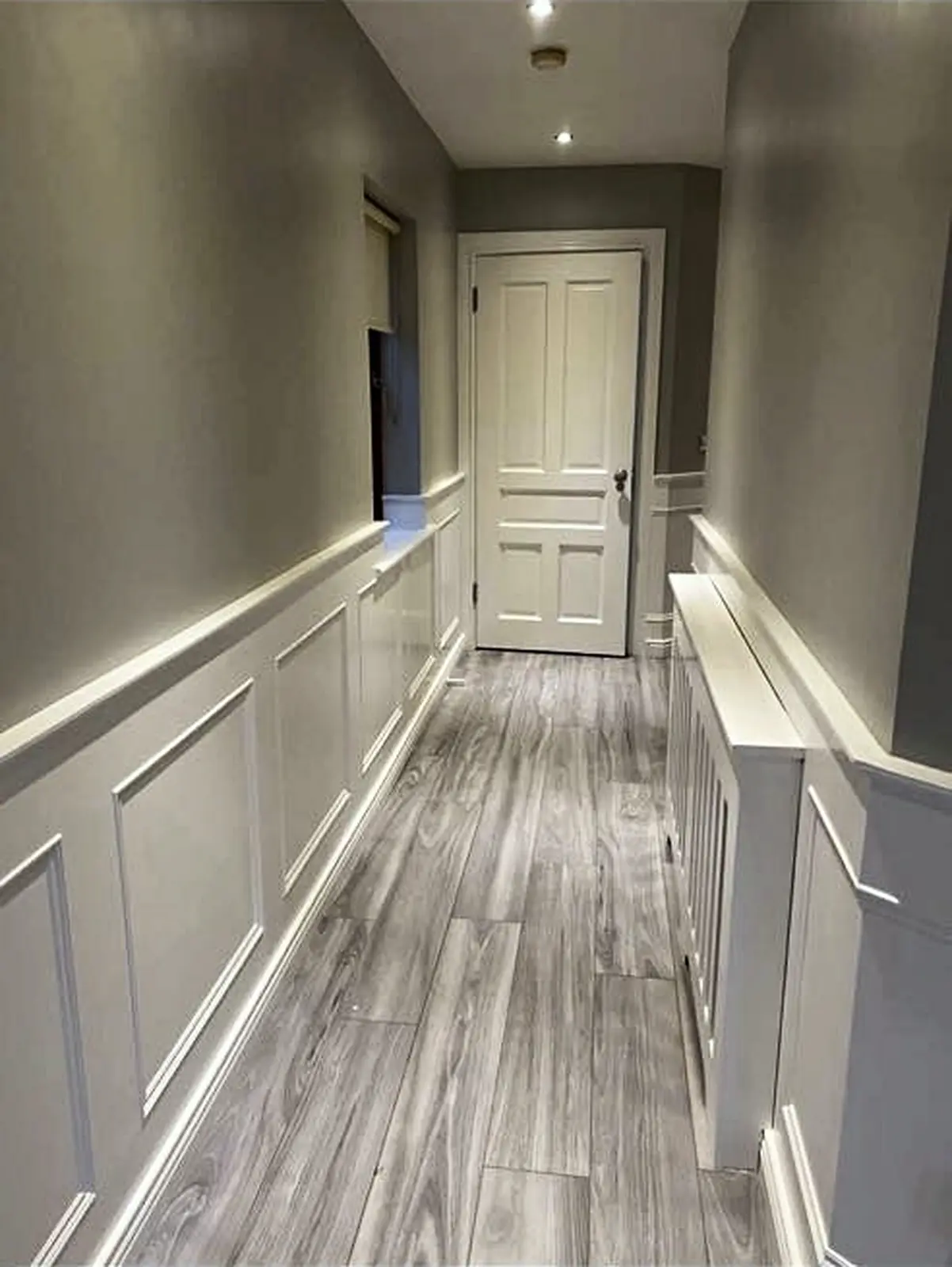
These Art Boys photographs show protected preparation and completed surfaces relevant to occupied homes. They do not represent a universal dust-free system; protection, sanding controls and access are agreed for the actual rooms and equipment used.
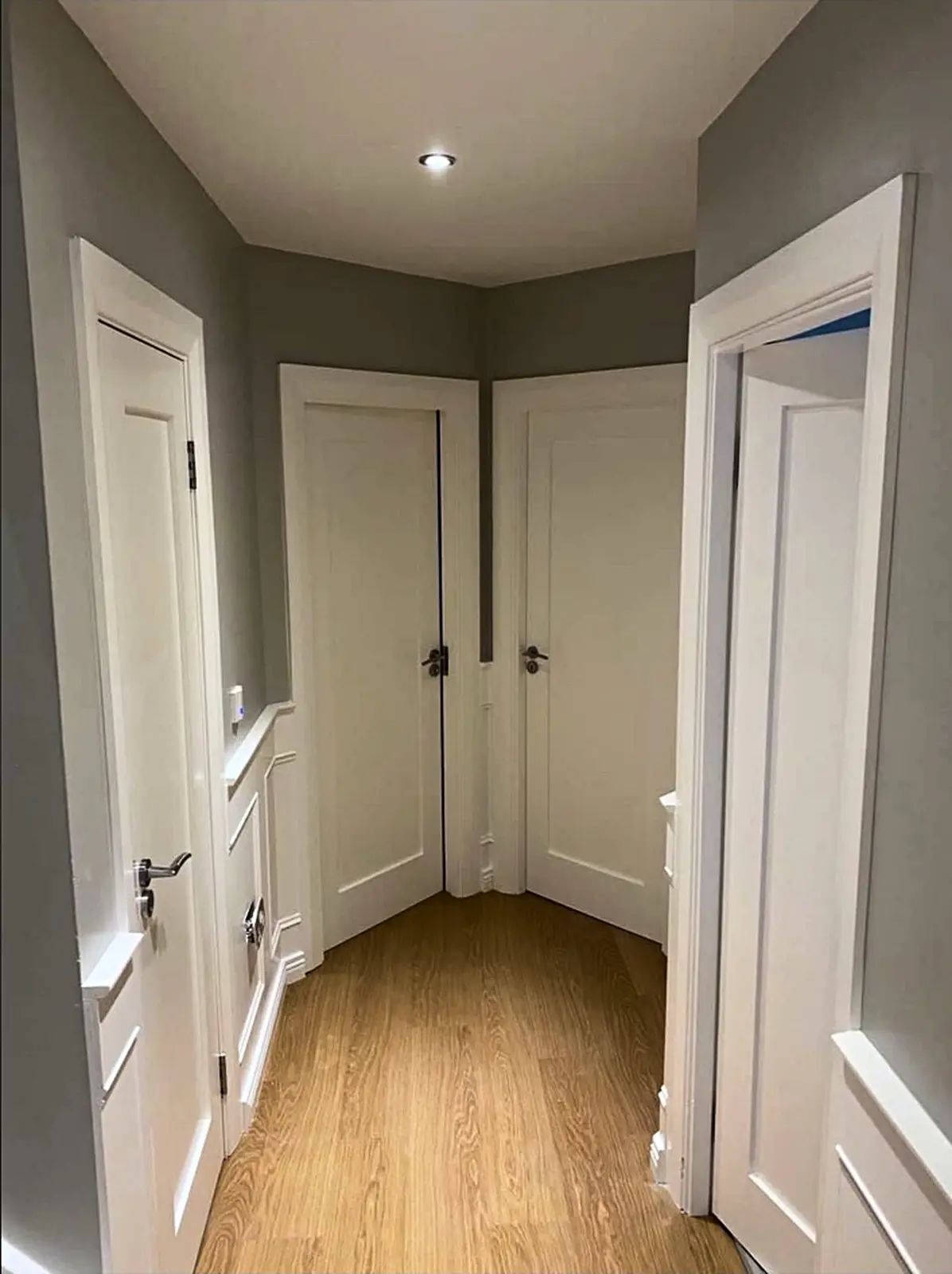
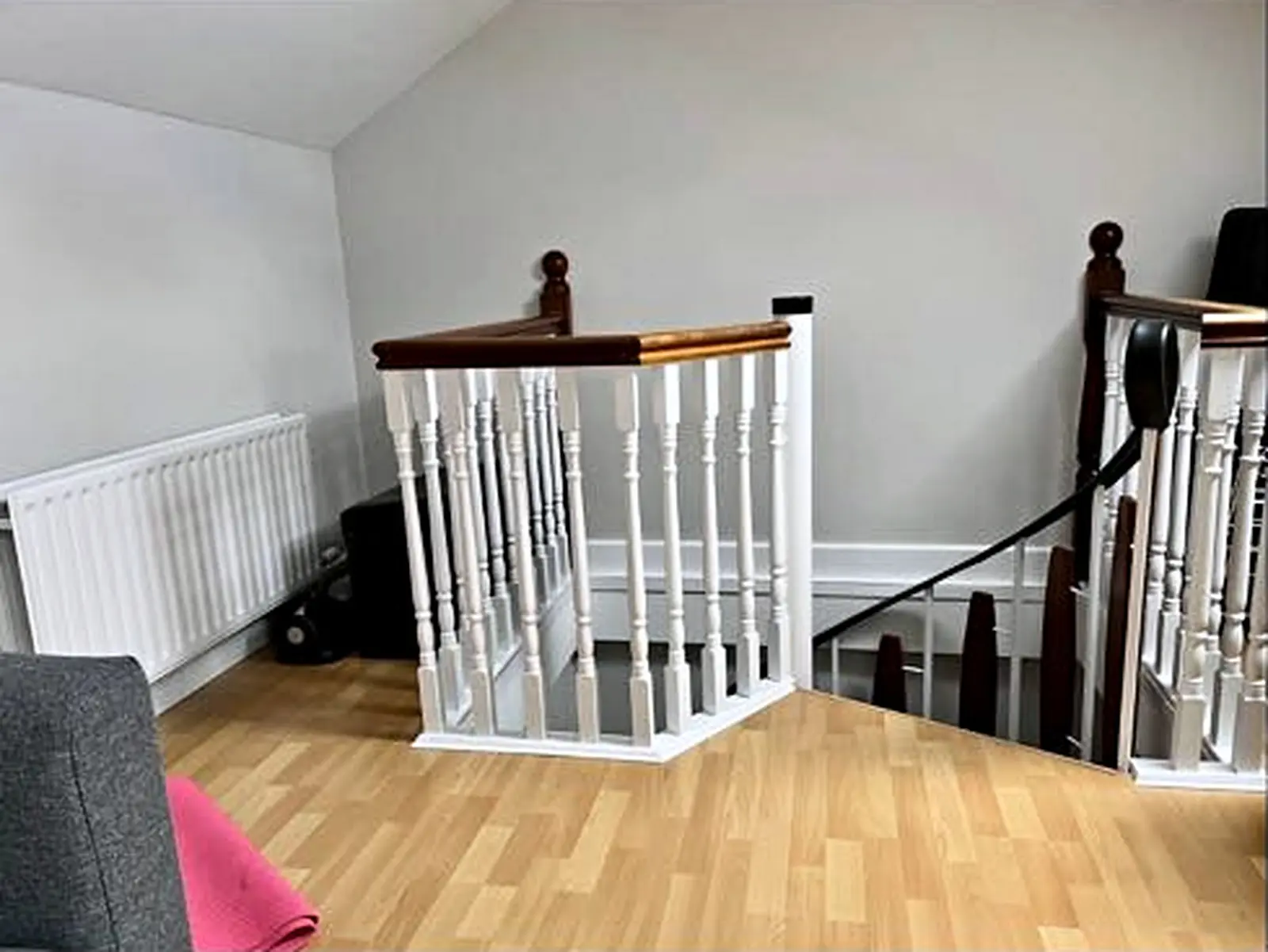
Confirm the first room, temporary storage, household access, start and finish times, and which areas must remain available. Record any agreed furniture-moving responsibility.
Remove smaller possessions, position or move furniture as agreed, protect remaining surfaces and set the agreed route. Any dust-extraction or isolation method should match the equipment and process included in the quote.
Apply the agreed system, respect drying and ventilation requirements, remove daily waste, secure tools and materials, inspect the room, record snags and confirm when normal use can resume.
Each day’s plan should state which room is active, what route remains open, when preparation and coating will finish, what must not be touched, how ventilation will be managed, where tools and materials are secured, and what cleaning is completed before departure. If a room cannot return to normal use that evening, say so before work starts and agree the alternative.
Responsibility should be written into the quotation. Householders commonly remove valuables, breakables, pictures, curtains and small items. Large furniture may be moved or repositioned only where agreed, with the storage location, protection and any access limits confirmed before work starts.
Not always. The active room may be unavailable during preparation, coating and drying. A room-by-room sequence should keep essential facilities and a clear route available where the layout allows, while identifying any temporary restrictions in advance.
Send the location or Eircode, room list, photographs, occupancy, essential access, furniture details, pets or children, preferred colours and target dates. Art Boys can confirm whether a site survey is needed before pricing.