DUBLIN & KILDARE RENOVATION GUIDE

Painting After Renovation in Dublin and Kildare

A practical pre-decoration guide for homeowners and builders: check new plaster, complete joinery, agree remedial responsibilities and place painting correctly in the renovation programme.

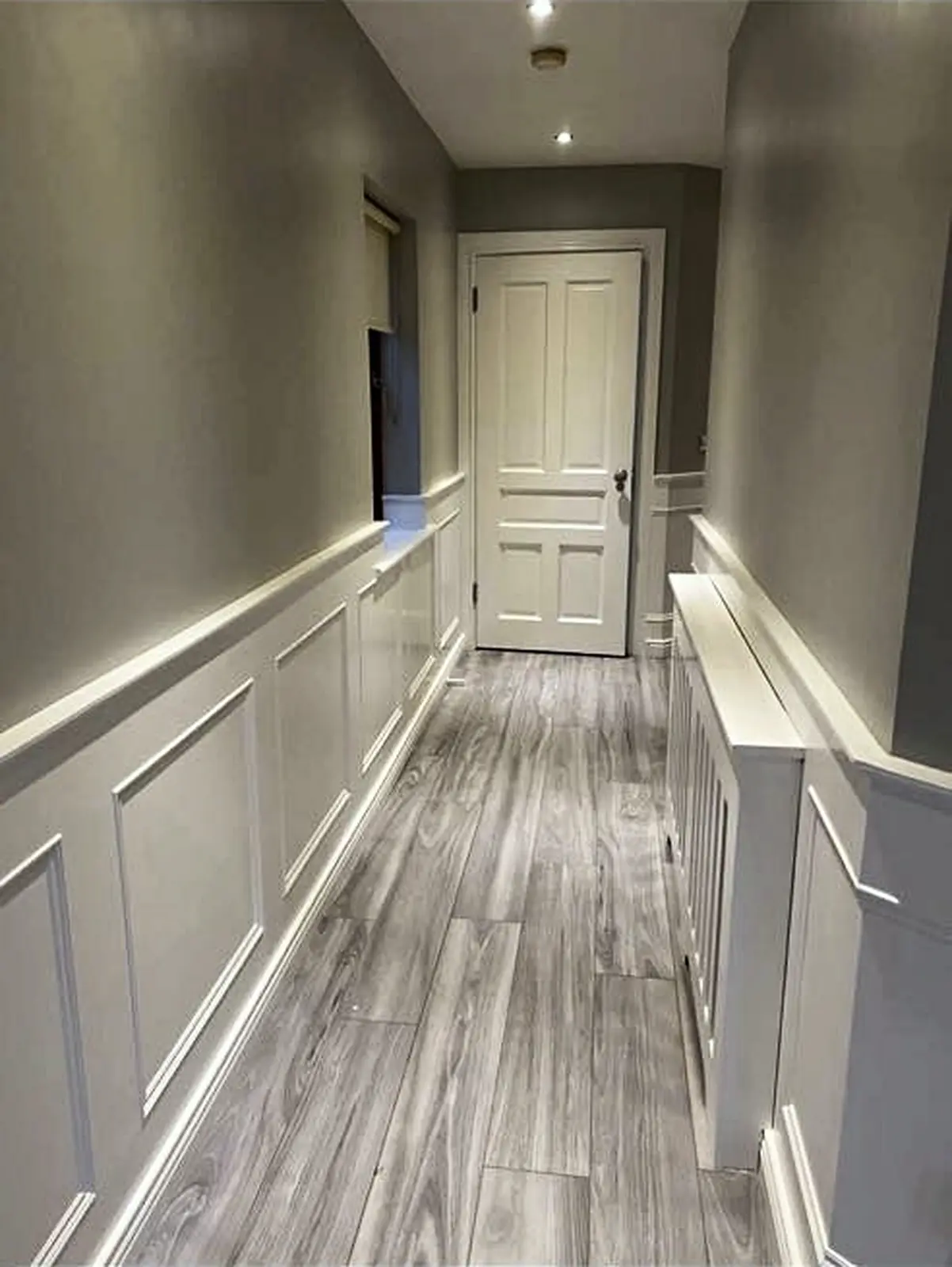
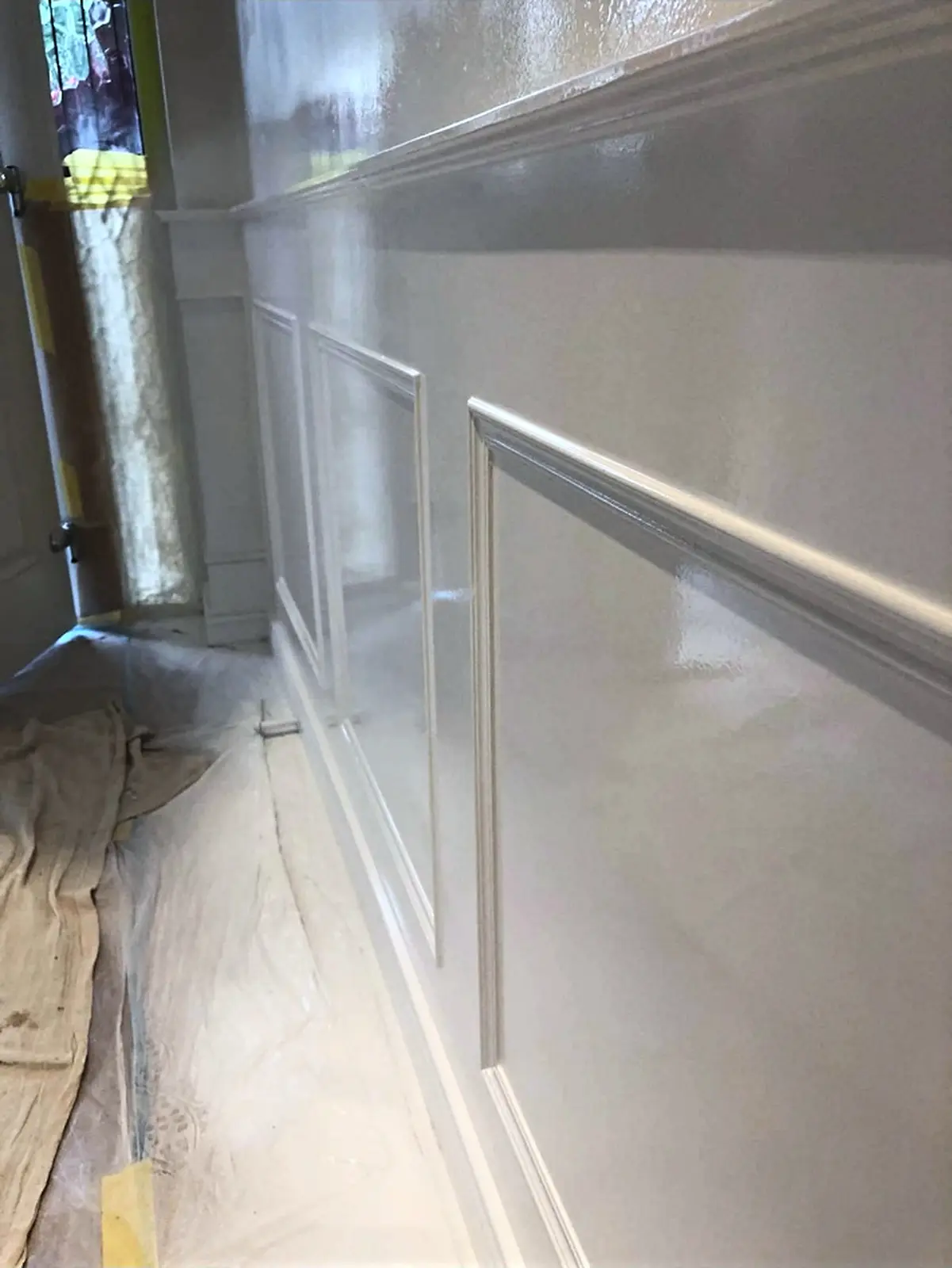
Timber wall panelling protected during renovation painting preparation
PRE-START READINESS

A decorating start date should follow site readiness, not simply the calendar.

Painting after renovation can fail before the first finish coat is applied. Damp or defective plaster, unfinished carpentry, untested services and late dusty work can all create avoidable repairs, delays and duplicated labour.

Before pricing is finalised, walk the rooms with the relevant contractor or homeowner. Record what is complete, what still needs correction, which surfaces are included and who owns each outstanding item. Product-specific preparation and drying requirements should be checked against the coating manufacturer’s current technical information.

New plaster

Check that the background is sound, sufficiently dry for the specified system and free from unresolved cracks, contamination or obvious trowel defects. There is no single waiting period that suits every plaster, room and site condition.

Use the Is New Plaster Ready for Painting? A Pre-Decoration Checklist to record surface condition, site readiness, outstanding repairs and the specified first-coat system.

Joinery and carpentry

Doors, frames, skirting, panelling and fitted joinery should be installed, adjusted and ready for the agreed preparation. Confirm whether factory primer is only a holding coat and whether filling, caulking or additional priming is included.

Other trades

Complete the wettest, dustiest and most disruptive work first where the programme allows. Test services before final finishes, identify penetrations still to be cut and agree how later trade damage will be recorded and repaired.

A WORKABLE SEQUENCE

Six checkpoints from builder-ready rooms to final snagging.

01

Confirm the scope

List ceilings, walls, woodwork, built-ins and exclusions room by room. Match colours, sheen levels and coating systems to each substrate.

02

Close structural and plaster items

The builder or plasterer addresses work outside normal decorating preparation. Movement, damp or recurring cracking needs diagnosis before it is hidden.

03

Complete joinery

Fit and adjust doors, frames, skirting and panels. Decide which holes, joints and caulk lines form part of the decorating quotation.

04

Prepare and prime

Protect adjacent finishes, remove loose material, sand or abrade where appropriate, fill agreed defects and use primers compatible with the substrate and finish.

05

Coordinate finish coats

Sequence ceilings, walls and woodwork around flooring, electrical plates, fitted furniture and access. Protect completed areas as later trades return.

If the renovation includes feature walls or full rooms, schedule wallpaper and decorative wallcoverings after the substrate and surrounding trades are ready.

06

Inspect and hand over

Review the work in suitable light, separate decorator snags from later damage and record any agreed return visit after other trades finish.

RESPONSIBILITY MATRIX

Agree who repairs each defect before it becomes a decorating dispute.

Normal painting preparation and building remediation are not the same thing. A clear written quotation should distinguish light filling and sanding from replastering, significant substrate repair, water-damage investigation, carpentry correction or making good after other trades.

This distinction protects the finish and the programme. It also lets quotations be compared like for like instead of hiding different assumptions inside a single decorating total.

Builder or relevant trade

Incomplete plastering, leaks, substrate movement, missing trims, major damage and openings created after the agreed readiness check.

Decorator

Protection, agreed surface preparation, compatible primers and finishes, application, inspection and correction of decorating snags within the written scope.

Homeowner or project lead

Final colour and sheen approvals, access, decision deadlines, accepted exclusions and confirmation of which contractor owns each outstanding item.

REAL PROJECT DETAIL

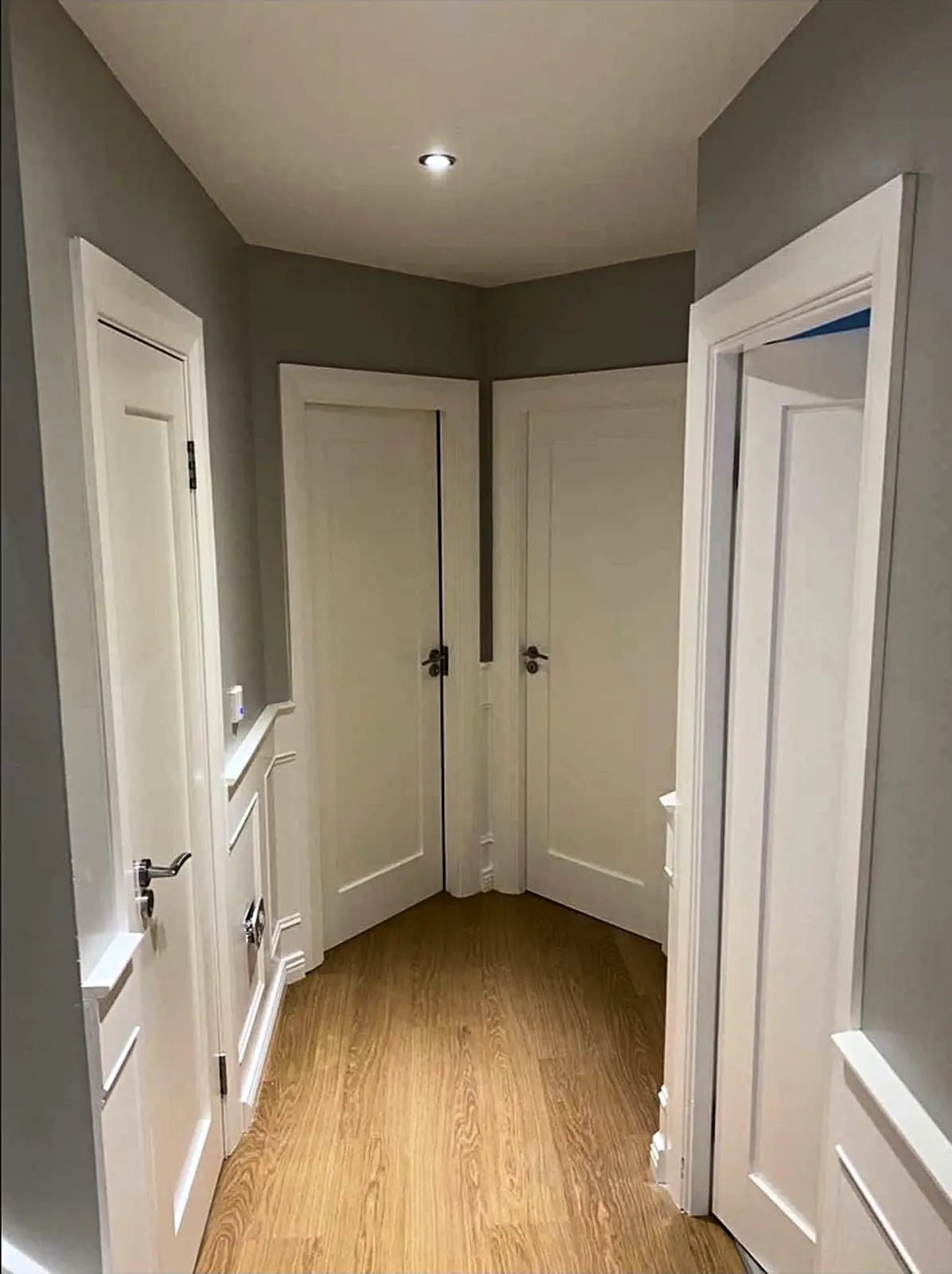
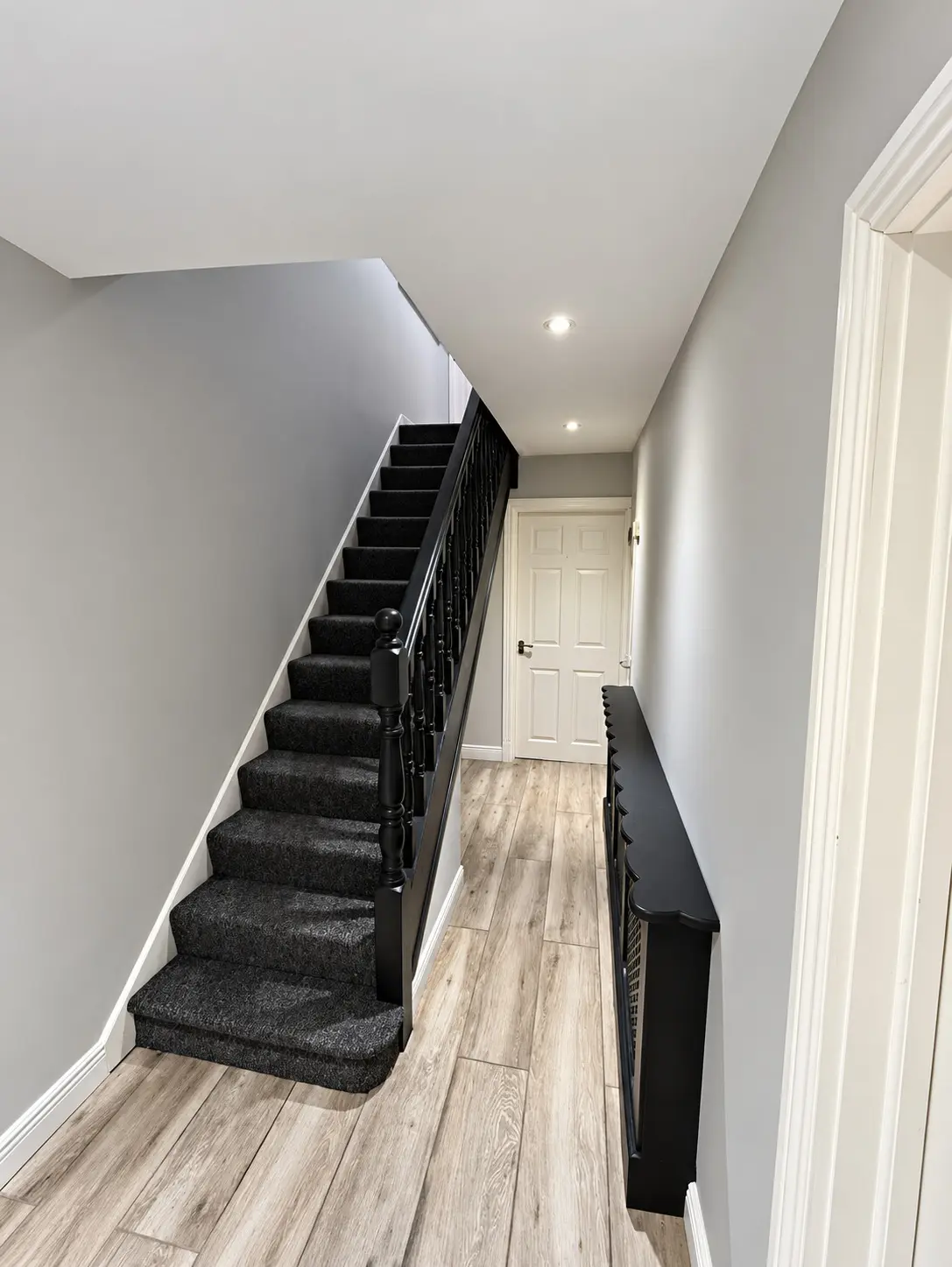
Protection and finished joinery are two different stages of the same result.

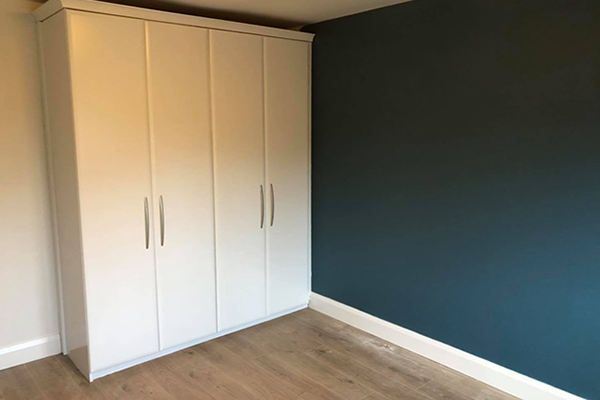
These Art Boys project photographs show why the sequence matters: protection and preparation come before the finished doors, panelling and trim are inspected together. The exact products and preparation still depend on the existing substrate and the agreed specification.

OCCUPIED RENOVATIONS

If the household remains in place, build access into the trade programme.

A renovation can be technically ready for painting while still being difficult to live through. Keep a usable route to essential rooms, decide where tools and materials can be stored, and identify periods when a staircase, kitchen or bathroom cannot be used.

For the household side of the programme, see our guide to planning painting around an occupied home. The two plans should agree on room order, access and daily handover.

QUOTE INPUTS

Information that makes a renovation painting quotation clearer.

Rooms and surfaces

Room list, ceilings, walls, fresh plaster, doors, frames, skirting, stairs, fitted joinery and any exterior elements.

Condition and evidence

Current photographs, plaster or carpentry defects, existing coatings, known leaks or staining and areas that need a site inspection.

Programme and access

Other trades, target handover, occupied or vacant status, parking, working hours, storage, floor protection and any restricted access.

Art Boys provides house painting after renovation across suitable projects in Dublin and Leinster, including Kildare. Final scope, dates and coating systems are confirmed from the property and project information rather than assumed from a generic schedule.

FREQUENTLY ASKED QUESTIONS

Painting after renovation: practical questions.

How long should new plaster dry before painting?

There is no responsible universal number. Plaster type, thickness, ventilation, temperature, humidity and the proposed coating system all matter. Check the surface and follow the relevant manufacturer’s technical guidance before priming.

Can decorating start while joinery is unfinished?

Sometimes completed areas can progress, but unfinished carpentry can damage fresh work or force repeat preparation. The safer approach is to identify complete zones and record any planned return visit or making-good responsibility.

Does a painter repair every crack and plaster defect?

No. Light decorating preparation may be included, while significant cracking, loose backgrounds, damp, movement or extensive replastering normally requires assessment and an agreed repair scope before painting.

Should painting happen before or after floors and final fittings?

The answer depends on the materials, access and programme. Some coats may be completed before floors or fittings, with protection and a final snag afterwards. Agree the exact sequence with the project lead and relevant trades.

DUBLIN & LEINSTER

Planning painting after a renovation?

Send the property location or Eircode, room and surface list, photographs, current build stage, other trades and target dates. Art Boys can confirm whether a site survey is needed before preparing a written quotation.

CallWhatsAppGet a quote