Flaking or peeling
Note whether failure is between coats, down to the substrate or concentrated at edges, sills and repairs. Check adjacent material before assuming only the loose flakes need attention.
A practical survey framework for recording flaking, chalking, cracking, staining and local defects before deciding preparation, access and the next coating system.

Peeling paint can relate to poor adhesion, an unstable older coating, retained moisture, unsuitable preparation or several factors together. Chalking, fading, hairline cracking, open joints and stains each point to different questions. Record where the defect occurs and what surrounds it before choosing a repair.
Use the guide to planning an exterior house repaint for the full preparation, access, weather and coating discussion. This resource narrows the first visit to defect mapping and the information needed for a responsible scope.
Coastal exposure can increase weathering demands, but “near the sea” does not explain every failure. Elevation, shelter, wind-driven rain, salt deposition, sunlight, gutters, sills, cracks, sealants, previous repairs and substrate condition should be considered at the actual property.
Do not promise that repainting alone will correct active water entry, failed render, corroding metal, movement or defective joints. The survey should identify when another trade or a more detailed investigation is needed before decoration.
Note whether failure is between coats, down to the substrate or concentrated at edges, sills and repairs. Check adjacent material before assuming only the loose flakes need attention.
Record colour change, powdering and the elevations affected. Weathering may differ between sheltered and exposed faces, and preparation must address the actual surface left behind.
Map crack pattern, width change, blister location and nearby joints. Movement, water entry or substrate defects may need assessment outside the normal decorating scope.
Photograph the pattern and nearby gutters, pipes, ground levels, ledges and metalwork. Cleaning a symptom without resolving its source may not support a durable repaint.
Name front, rear and side elevations, then record exposure, shelter, height and defect location. Photograph wide context and close detail without relying on one image.
Distinguish render, masonry, previously painted surfaces, timber, metal and uPVC. Record repairs or unknown coatings that may require separate compatibility decisions.
Review gutters, downpipes, flashings, parapets, sills, roof junctions, vents, cracks, sealants and ground contact. Refer unresolved building defects to the appropriate trade.
Determine the extent of loose, friable or poorly adhered material using methods appropriate to the surface. A small sound-looking patch should not represent the whole elevation.
List cleaning, removal, repairs, priming, protection and access separately. High-level or awkward areas may need equipment and planning that cannot be inferred from floor-level photographs.
Choose the coating system only after substrate, remaining coating, repairs and exposure are understood. Follow current manufacturer data for compatibility and application conditions.
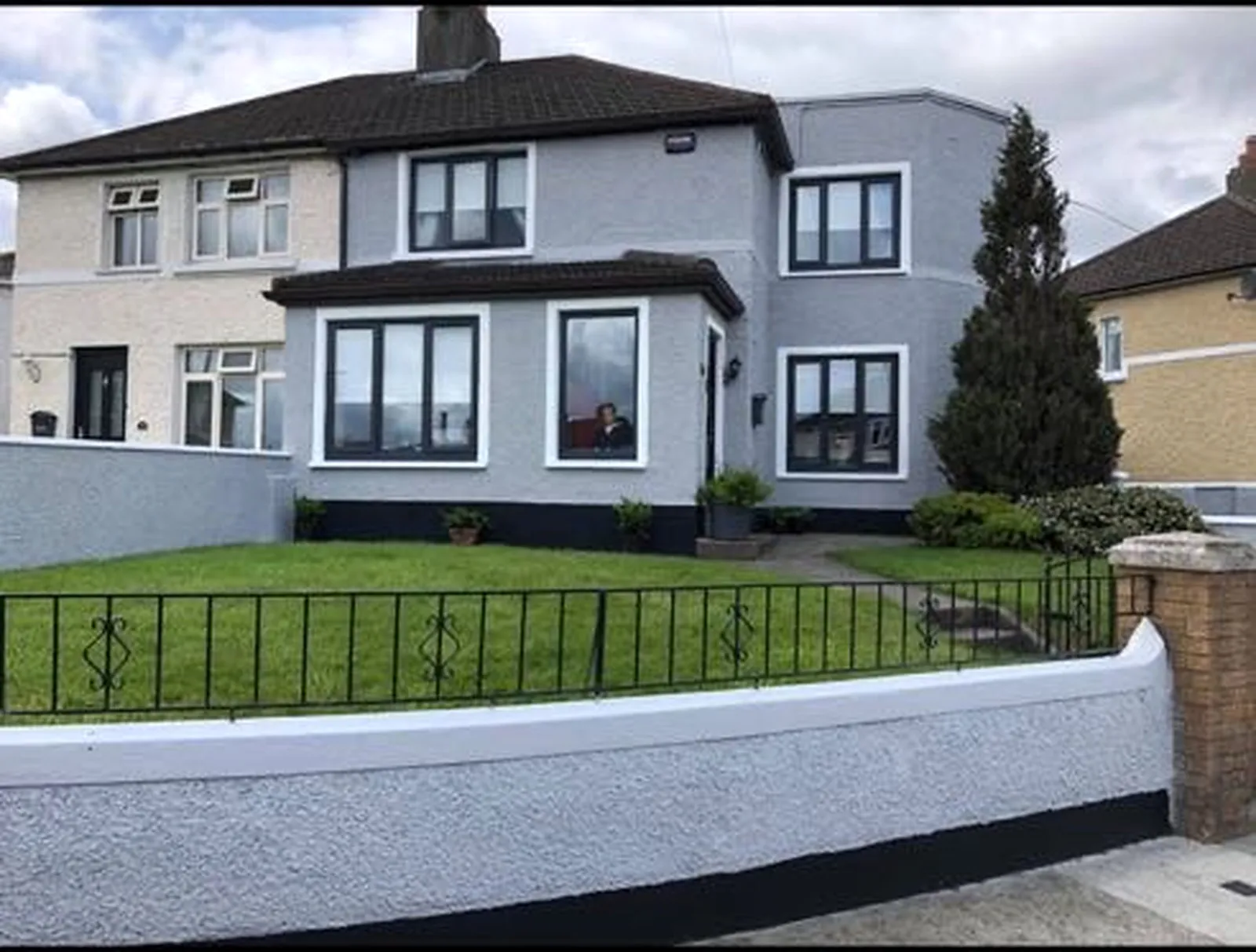
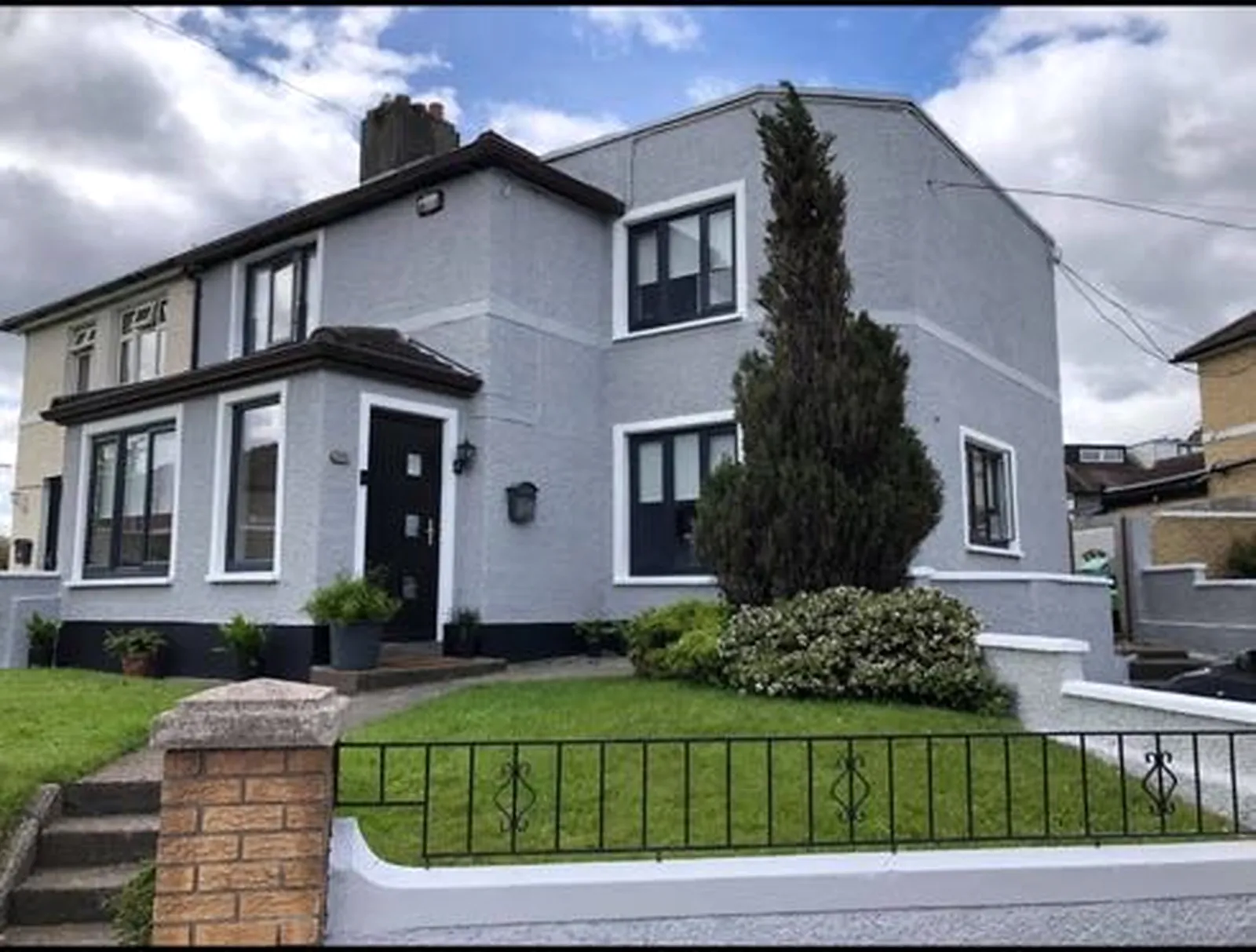
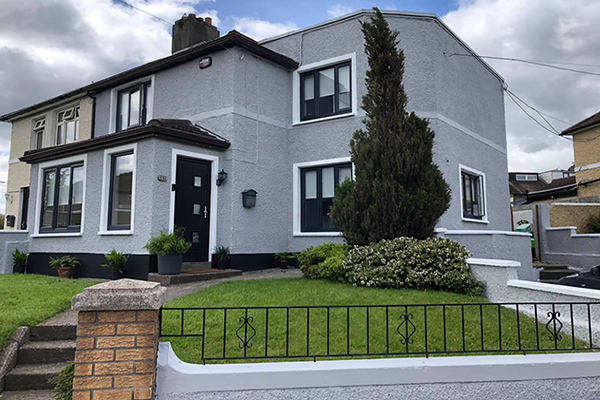
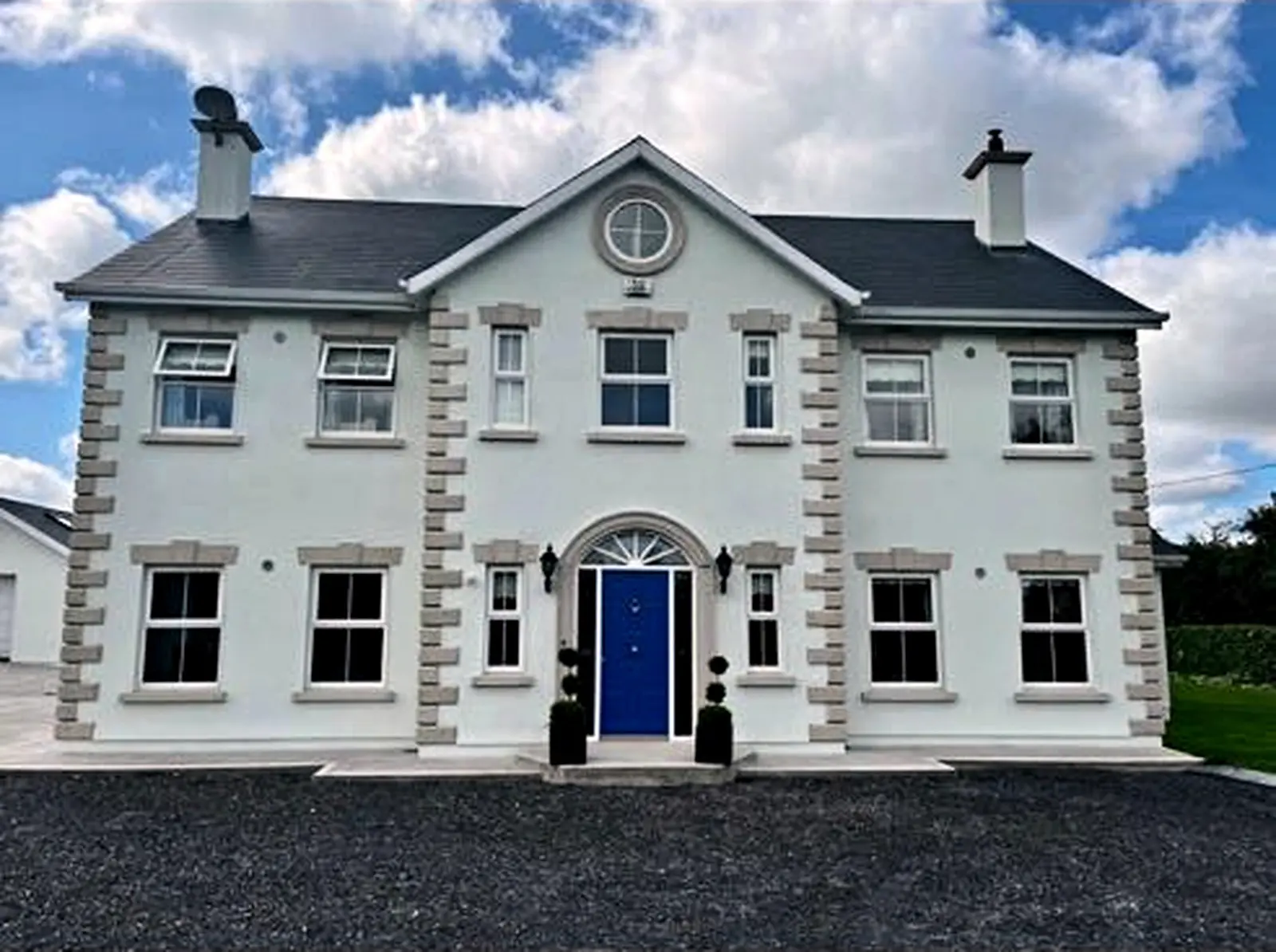
These photographs show completed Art Boys exterior work. They illustrate real elevations and details, but they are not photographs of every defect described and do not establish the cause of failure at another property.
Elevation, height, orientation, sheltered or exposed position, approximate area and whether the failure is isolated, repeated or continuous.
Substrate, previous coating if known, age of the last work if documented, earlier repairs, colour change and any product information retained by the owner.
Gutters, pipes, sills, flashings, sealants, cracks, vents, roofs, ground contact, timber and metalwork that may influence the area.
State which repairs form part of painting, what needs another trade, what access is included and what cannot be confirmed until safe close inspection.
Loose or unstable material needs evaluation and suitable preparation. The cause, remaining coating and substrate condition should be understood before a new system is specified.
No. Exposure can increase weathering demands, but water entry, movement, poor adhesion, incompatible materials, failed joints and other defects may also contribute.
They help with initial scoping, but photographs may not confirm coating stability, high-level defects, moisture paths or access requirements. A site survey can still be necessary.
Only where responsibilities are clear. Normal decorating preparation can be included, while render failure, active leaks, movement or specialist repairs may require another trade.
Send the location, wide and close photographs of each elevation, known coating history, observed leaks or repairs, access information and preferred dates. Art Boys can confirm whether a site survey is needed before pricing.