DUBLIN & COASTAL LEINSTER GUIDE

Exterior House Painting in Dublin and Coastal Leinster: Preparation, Weather and Coating Choice

A practical homeowner’s guide to inspecting exterior surfaces, defining repairs and access, planning around weather and choosing a coating system for the actual building.

Completed residential exterior painting project in Dublin
START WITH THE BUILDING

Exterior painting is a surface and access project before it is a colour project.

A sound quotation begins with what is actually on the elevation: render or masonry, previously painted surfaces, timber, metal, uPVC, sills, fascia, soffits, doors and any areas that need separate treatment. The existing condition decides the preparation and helps identify work that falls outside normal painting.

Coastal exposure, wind-driven rain and changeable weather can shorten workable windows and reveal weaknesses in an unsuitable or failing system. That does not mean every coastal property needs the same product. Substrate, previous coating, condition and current manufacturer guidance must be considered together.

Walls and render

Look for flaking, chalking, cracks, hollow or loose areas, staining, algae and signs of persistent moisture. Painting can improve a prepared surface, but it should not conceal unresolved water ingress or defective render.

Use Exterior Paint Failure in Coastal Leinster: What to Inspect Before Repainting to map flaking, chalking, cracks, staining, moisture paths and access before the repainting scope is fixed.
Timber and metal

Check edges, joints, corrosion, exposed material, open gaps and previous coatings. Rotten timber, failed putty, major corrosion or defective components may need repair by the appropriate trade before coating.

Access and boundaries

Record heights, extensions, conservatories, narrow side passages, planting, neighbouring boundaries, public paths, parking and areas requiring specialist access. State clearly whether access equipment is included.

For a survey and written scope, explore exterior house painting in Dublin and Leinster.

WEATHER WINDOW

Plan the sequence around suitable conditions, not a fixed promise.

01

Check the forecast and elevation

Consider rain, temperature, wind, direct sun, shade and drying time on the specific side of the building. Different elevations may have different workable periods.

02

Prepare only manageable areas

Do not leave large exposed areas vulnerable if conditions are uncertain. Sequence washing, scraping, repair, priming and coating in sections that can be protected and completed responsibly.

03

Respect product limits

Application and drying conditions come from the selected product’s current technical data, not a generic rule. Moisture, temperature and rain risk all affect the decision to proceed.

04

Allow for programme movement

Exterior dates can move when the weather is unsuitable or newly discovered repairs change the scope. A quotation should explain how delays and additional work will be communicated.

COATING CHOICE

Choose the system from the substrate, condition and exposure.

“Exterior paint” is not one universal specification. Masonry, previously coated render, bare timber, factory-finished metal and plastic surfaces need different preparation and compatibility checks. The sheen, colour and finish also influence how details and surface variation read in daylight.

The written scope should name the surface, preparation standard, primer or stabilising treatment where required, finish product or approved equivalent, intended number of coats or coverage approach, colour, exclusions and the evidence needed before a system is changed.

Existing coating

Assess adhesion and compatibility before overcoating. A sound-looking finish can still contain weak layers beneath, so local testing or additional preparation may be needed.

Repairs and primer

Identify bare patches, friable areas, stains and exposed timber or metal. Match fillers, repair materials and primers to the surface and the chosen topcoat system.

Colour and sample

Review colour in exterior light and against roof, windows, stonework and neighbouring finishes. A sample helps with appearance but does not replace preparation or technical compatibility.

REAL DUBLIN EXTERIOR WORK

Prepared elevations, crisp details and a coordinated colour scheme.

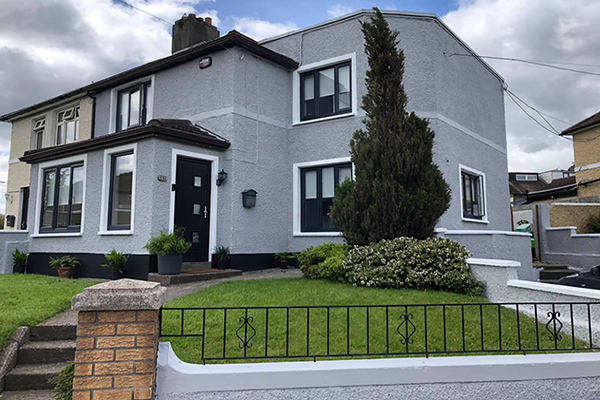
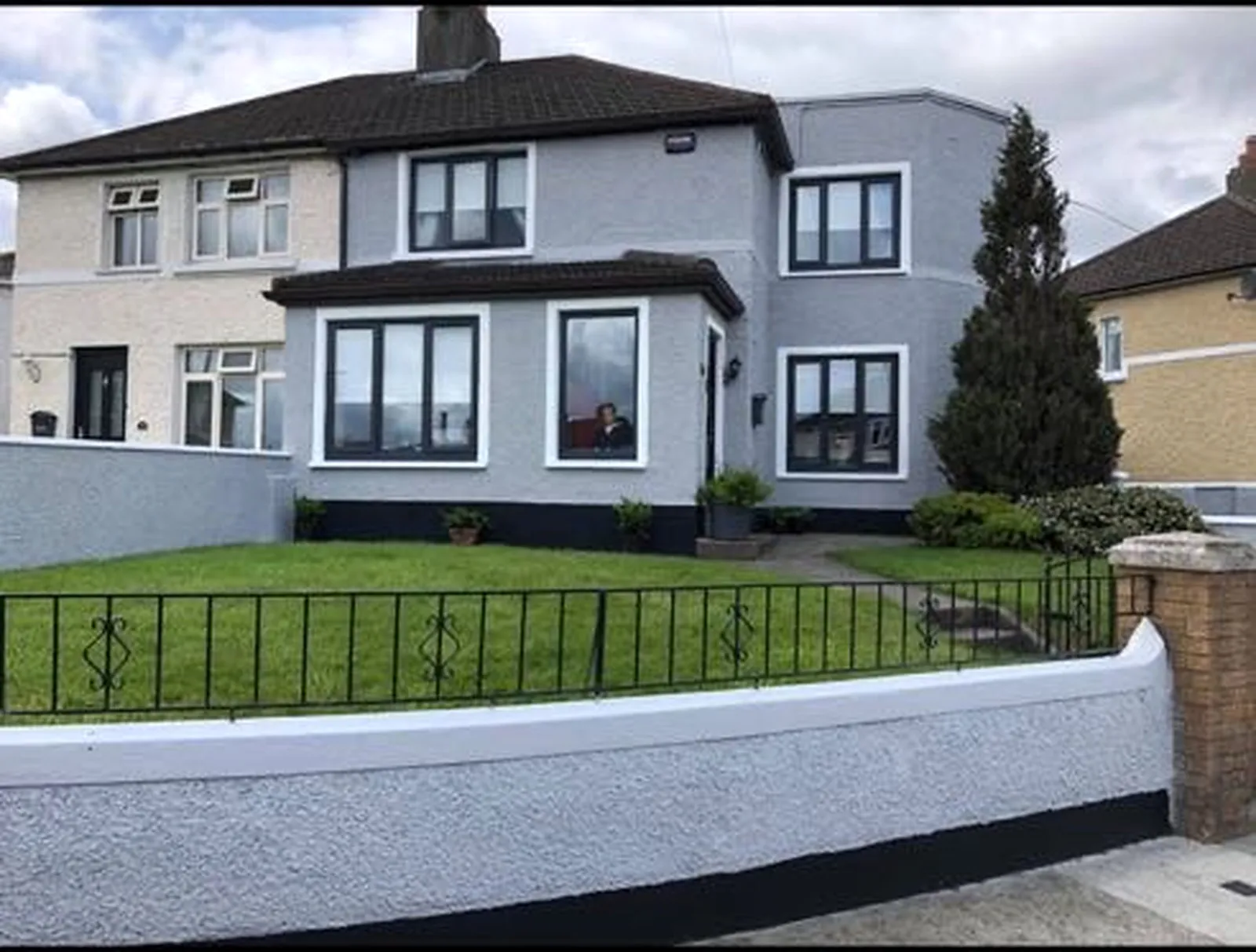
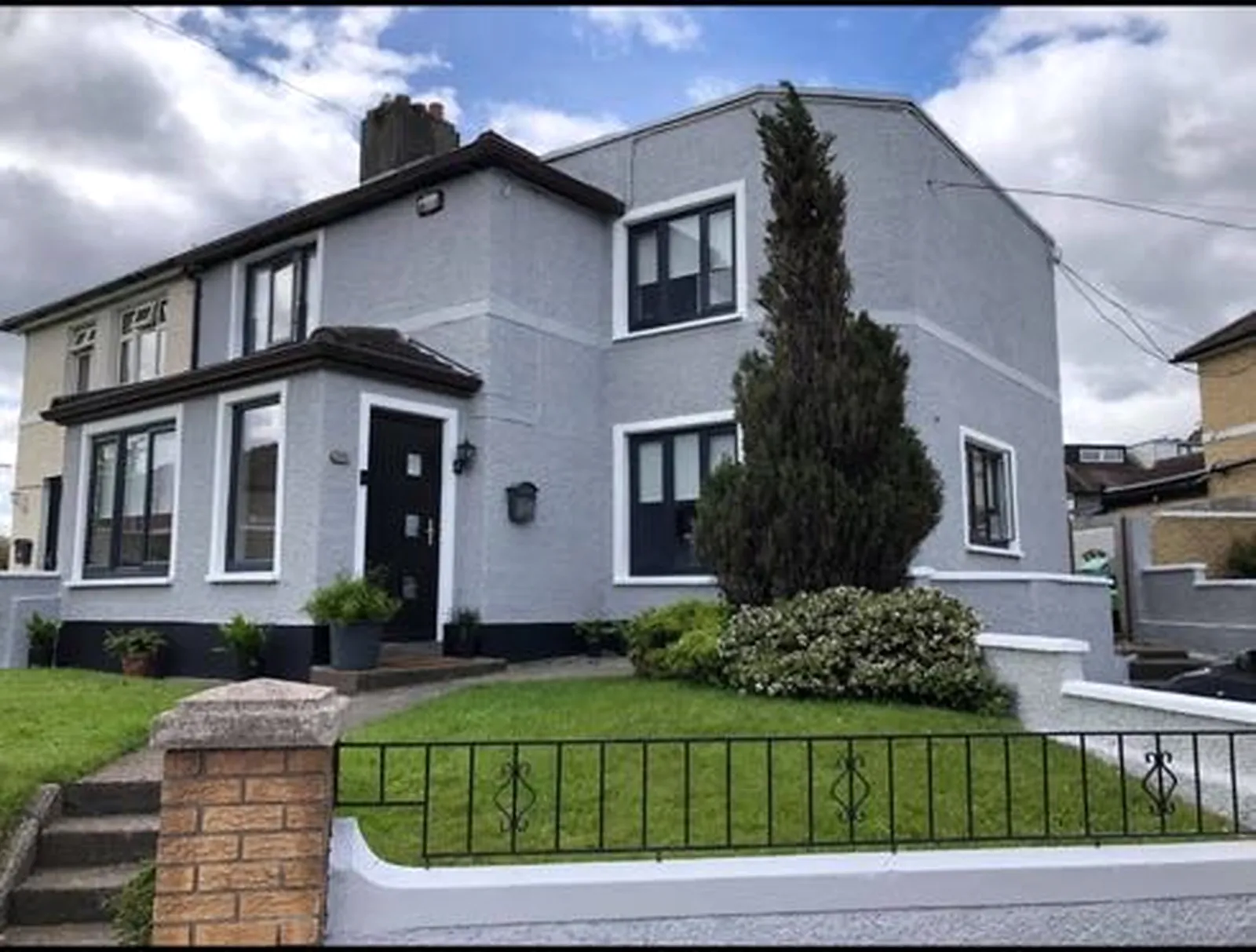
These authentic Art Boys photographs show a completed residential exterior and finished detailing. They demonstrate the type of visual result possible after preparation; they do not establish the condition, repair needs or coating specification of a different property. See the Dublin residential exterior project.

FROM SURVEY TO HANDOVER

A practical exterior painting sequence.

01

Survey and photograph

Map elevations, substrates, defects, access points, adjacent surfaces and areas that require further investigation.

02

Confirm repairs and protection

Separate normal preparation from render, timber, damp or access work. Agree protection for glass, roofs, paving, plants, fixtures and neighbouring property.

03

Prepare the surfaces

Clean as appropriate, remove loose material, abrade sound edges, treat agreed defects and prime exposed or problem areas with compatible products.

04

Apply and inspect

Work within suitable weather and product conditions, complete the agreed system, remove protection carefully and inspect elevations and details at handover.

QUOTE CHECKLIST

What a clear exterior painting quotation should state.

Included surfaces

Front, rear and side elevations; extensions; sills; fascia and soffits; doors; gates; railings; downpipes and any explicit exclusions.

Preparation and repairs

Cleaning, scraping, sanding, local filling, sealant or repair allowances, primers and which defects require a separate contractor or variation.

Access, protection and waste

Ladders, towers or other access; protection to adjacent property and planting; parking or permits; daily tidy-up and removal of agreed waste.

Products and programme

Specified system, colour and finish, manufacturer conditions, provisional dates, weather contingency, inspection and the process for additional work.

FREQUENTLY ASKED QUESTIONS

Exterior house painting: practical questions.

Can exterior painting continue in light rain?

The decision must follow the selected product’s conditions and the actual surface and weather. Rain risk, wind, temperature, moisture and drying time can all make application unsuitable even when rainfall appears light.

Does peeling paint always mean the whole exterior must be stripped?

Not always. The extent and cause of failure need inspection. Loose or unsound material must be addressed, while a sound existing coating may require cleaning, abrading and compatible preparation rather than complete removal.

Who arranges access equipment?

The quotation should state this clearly. Access depends on height, layout, ground conditions, conservatories, public paths and neighbouring boundaries; it should never be left as an unstated assumption.

Is coastal paint a single special product?

No single product suits every coastal building or substrate. Exposure is one part of the specification alongside surface type, existing coatings, defects and the current technical guidance for the chosen system.

DUBLIN & LEINSTER

Planning an exterior house repaint?

Send the property location or Eircode, clear photographs of every elevation, close-ups of peeling or cracking, the surfaces to include, access notes, colour ideas and preferred timing. Art Boys can confirm whether a site survey is required.

CallWhatsAppGet a quote